E-Bike Laws in Georgia
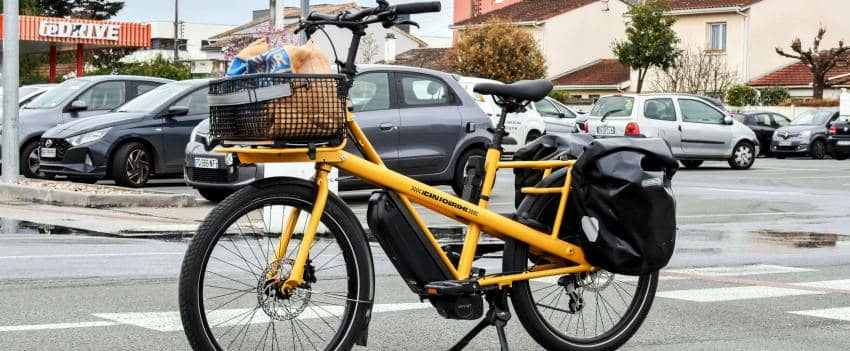
Electric Bike and Scooter Laws
A Comprehensive Guide to O.C.G.A. §40-1-1 (15.3, 15.4, and 25.1)
INTRO: This article discusses E-Bike Laws in Georgia with limited references to local ordinances. Learn about the classes of e-bikes and scooters, riding laws, and potential penalties for violations. Read this article for a detailed overview of Georgia’s statutory definitions, the classification system for e-bikes, operational rules, and potential legal consequences for violations.
Georgia E-Bike Laws: An Overview
Electric bicycles ("e-bikes") have become increasingly popular in Georgia for commuting, recreation, and personal mobility. As transportation technology has evolved, state and local governments were driven to develop new laws. These new laws define and regulate how these vehicles may be used on roads, trails, and public spaces.
What is an e-bike? As cited on the brag.org website, "The state of Georgia defines electric bicycles as any type of bicycle or tricycle equipped with fully operable pedals, that have a seat or saddle for the rider, and have an electric motor of less than 750 watts."1
Georgia law primarily regulates e-bikes through the definitions contained in Official Code of Georgia Annotated §40‑1‑1, which establishes legal definitions for electric bicycles and related devices. Additional provisions in Title 40 govern their operation and create a classification system for different types of e-bikes.
Georgia allows for local jurisdictions to establish limited ordinances on e-bike use.
Examples of Local E-Bike Ordinances – Woodstock, GA
In addition to State laws, many local governments have enacted local e-bike use ordinances. Local governments have enacted ordinances regulating where and how e-bikes may be used. One example is the City of Woodstock ordinance §42-4, which addresses the operation of bicycles and related personal transportation devices within city limits. A specific limitation is "Under City Code § 42-4, it is unlawful to ride bicycles, skateboards, scooters, or similar devices on sidewalks in the Downtown District."
Georgia Laws on Electric Bicycles
1. Statutory Definitions Under O.C.G.A. §40-1-1
Georgia’s motor vehicle code includes several definitions that determine whether a device is legally considered an electric bicycle, a different type of mobility device, or a motor vehicle. These definitions determine which rules apply to the operator.
Electric Assisted Bicycle — §40-1-1(15.3)
Under §40-1-1(15.3), an electric-assisted bicycle is defined as:
- A device with two or three wheels
- Equipped with fully operable pedals
- Having a saddle for the rider
- Powered by an electric motor with a maximum output of 750 watts
If a device exceeds these limitations, lacks pedals, or produces more than 750 watts of power, it may legally be classified as a moped, motorcycle, or motor vehicle, which triggers additional licensing and registration requirements.
This definition is the foundation of Georgia’s e-bike laws because it distinguishes lawful e-bikes from electric scooters, dirt bikes, and other motorized devices.
Electric Personal Assistive Mobility Device — §40-1-1(15.4)
Another relevant definition is the electric personal assistive mobility device (EPAMD) under §40-1-1(15.4). An EPAMD is:
- A self-balancing device
- With two non-tandem wheels
- Designed to carry only one person
- Powered by an electric motor averaging 750 watts
- Capable of a maximum speed below 20 mph on level ground
The most common example of an EPAMD is a Segway-type device. These are treated differently from bicycles and may be allowed on sidewalks or pedestrian areas depending on local ordinances.
Low-Speed Electric Vehicle — §40-1-1(25.1)
Georgia also defines a low-speed vehicle (LSV) under §40-1-1(25.1).
A low-speed vehicle is:
- A four-wheeled electric vehicle
- With a top speed greater than 20 mph but not exceeding 25 mph
- Built to meet federal motor vehicle safety standards for low-speed vehicles
These vehicles resemble small electric cars or modified golf carts. Unlike e-bikes, they are treated more like motor vehicles and may require registration and safety equipment.
2. The Three-Class E-Bike System in Georgia
The State of Georgia has established three classes of e-bikes. Per the Evelo website, "The state of Georgia defines ebikes as a bicycle or a tricycle equipped with fully operable pedals, a seat or saddle for the use of the rider, and an electric motor of less than 750 watts."2.
The classes and definitions are similar to what exists in other states. The Georgia e-bike system classifies e-bikes by speed and the extent of motor assistance.
Class 1: Pedal-Assist
- Motor assists only when the rider pedals
- Assistance stops at 20 mph
These bikes are the most widely permitted on bike paths and multi-use trails.
Class 2: Throttle-Assisted
- Motor can propel the bike without pedaling
- Maximum motor-powered speed 20 mph
Because throttle operation resembles a scooter, some local governments restrict their use on certain trails.
Class 3: Speed Pedal-Assist
- Motor assists only while pedaling
- Assistance stops at 28 mph
- Must include a speedometer
Class 3 e-bikes are often restricted from shared trails and sidewalks and are generally intended for roadway use.
3. General Rules for E-Bikes in Georgia
Georgia law treats compliant e-bikes similarly to traditional bicycles, but several important rules apply.
Licensing and Registration
In most cases:
- No driver’s license is required
- No registration or license plate is required
- No insurance is required
These exemptions apply only if the vehicle meets the legal definition of an electric-assisted bicycle.
Age Restrictions
Georgia law requires:
- Operators of Class 3 e-bikes must be at least 15 years old
- Younger riders may still ride as passengers if the bicycle is designed to carry more than one person.
Helmet Requirements
Helmet laws depend on age and bike class.
- Riders under 16 must wear a helmet
- All Class 3 riders must wear a helmet regardless of age
Where E-Bikes May Be Operated
In general, e-bikes may operate:
- On roadways
- In bike lanes
- On most multi-use paths
Exceptions:
- Class 3 e-bikes may be restricted from certain trails
- Sidewalk riding is often prohibited unless local ordinances allow it.
4. Local E-Bike Regulatory Authority
Georgia law allows municipalities to adopt additional rules governing bicycles and personal transportation devices.
Municipal Authority
Local governments can regulate:
- Sidewalk use
- Trail access
- Speed limits
- Parking and storage of bikes
- Age or safety requirements
These rules can vary significantly between jurisdictions.
Woodstock City Ordinance §42-4
Within Woodstock, Georgia, the municipal code includes Section 42-4, which regulates the operation of bicycles and similar personal transportation devices.
Key elements include:
- Bicycles and e-bikes must obey all traffic control devices
- Riders must operate the device in a safe and reasonable manner
- Riders must remain properly seated on the bicycle
- The bicycle may not carry more riders than it was designed to carry
These provisions essentially apply standard bicycle safety rules to electric bicycles.
Common courtesy considerations are reflected in the ordinances. Per the City of Woodstock website, "Riders should dismount and walk when using sidewalks in the core downtown area. These rules help protect pedestrians in high-traffic public spaces."3
In addition, city officials have emphasized that vehicles lacking pedals or exceeding legal limits may be treated as motor vehicles rather than e-bikes, meaning they may require registration, licensing, and insurance.
5. Common Violations and Legal Consequences
Violations of Georgia’s e-bike laws typically fall into one of two categories:
1. Moving Violations
Examples include:
- Running stop signs or traffic signals
- Riding in prohibited areas
- Failing to obey traffic control devices
- Riding recklessly or at unsafe speeds
Potential Penalties and Consequences
- Fines
- Municipal citations
- Court appearances
2. Operating an Illegal/Misclassified Vehicle
A major issue arises when riders operate electric dirt bikes or high-powered devices that exceed the legal definition of an e-bike. If the vehicle:
- Exceeds 750 watts
- Lacks pedals
- Can exceed 28 mph
In such circumstances, the vehicle may legally be classified as a motorcycle or moped. In this situation, potential citations include, but are not limited to:
- Operating an unregistered motor vehicle
- Driving without insurance
- Driving without a license
Potential Penalties and Consequences
- Fines
- Vehicle impoundment
- Court costs
- Possible jail time of up to 12 months, depending on the offense.
Can You Get a DUI on an E-Bike?
Yes, you can be charged with DUI. Georgia DUI laws apply to anyone operating an e-bike or scooter. This includes being under the influence of alcohol, illegal substances, prescription drugs, or products such as Kratom.
What if I’m not actually driving it when police approach me? You can be arrested for DUI even if you are not actively operating the vehicle. Georgia DUI laws apply if you are deemed to have physical control and are determined to be impaired.
Anyone charged with DUI, even an e-bike, is subject to full prosecution under existing DUI laws. If you have been charged with DUI you should contact a top DUI lawyer.
6. Local Enforcement and Municipal Penalties
Municipal ordinances may impose additional penalties.
For example, violations of city transportation or vehicle ordinances may result in:
- Municipal fines
- Court summons
- Possible jail sentences for repeated violations
In some Woodstock municipal violations, penalties can reach $1,000 fines or up to 60 days in jail depending on the ordinance and circumstances.
7. Practical Legal Considerations for Riders
Individuals operating e-bikes in Georgia should consider several important compliance factors:
- Confirm the Device Is Legally an E-Bike
- The bike must have functional pedals
- The bike motor must be under 750 watts
- The bike’s maximum speed potential is within legal limits
Follow Bicycle Traffic Laws
E-bike riders must obey:
- Stop signs
- Traffic signals
- Lane positioning rules
- Right-of-way laws
- Understand Local Ordinances
Rules may vary between cities, parks, and trail systems.
Avoid Modifications
Modifying an e-bike to exceed legal speed or power limits may convert it into a motor vehicle under Georgia law.
Summary & Key Takeaways
Georgia has developed a structured regulatory framework for electric bicycles based primarily on the definitions in O.C.G.A. §40-1-1, particularly subsections 15.3, 15.4, and 25.1. These provisions distinguish electric-assisted bicycles from other personal mobility devices and motor vehicles.
Under Georgia law, compliant e-bikes are generally treated similarly to traditional bicycles, allowing them to operate on roads and bike paths without licensing or registration requirements. However, riders must comply with traffic laws, age restrictions, and equipment requirements.
Local jurisdictions such as Woodstock in Cherokee County may enact additional regulations—such as Ordinance §42-4—that govern where and how e-bikes may be used within city limits.
Failure to comply with these laws can lead to citations, fines, and even misdemeanor charges if the device is improperly classified or operated unlawfully.
Footnotes & Credits
- 1 Stephanie, "eBike Laws in the State of Georgia", November 10, 2025, Available from BRAG.org
- 2 Staff Writer, "Georgia State Electric Bike Laws", September 9, 2020, Available from EVELO
- 3 Staff Writer, "Bikes & E-Bikes in the City of Woodstock", October 22, 2025, Available from City of Woodstock website
- Photo by Jean Fourche at Pexels
Share This